

Propane vs Electric Patio Heater: Which Is Better for Winter?
Choosing a patio heater for winter comes down to one thing: how you actually use your outdoor space. Do you want portable heat anywhere in the yard, or a simple plug-in option for a covered patio? Below is a practical, SEO-friendly breakdown to help you pick the right heater (and avoid buying the wrong one).
Quick answer
-
Choose propane if you want strong heat output, portability, and you don’t always have an outlet nearby.
-
Choose electric if you want low-maintenance, clean operation, and you’ll use it in a covered patio, balcony, or outdoor kitchen area with reliable power.
How propane and electric patio heaters work
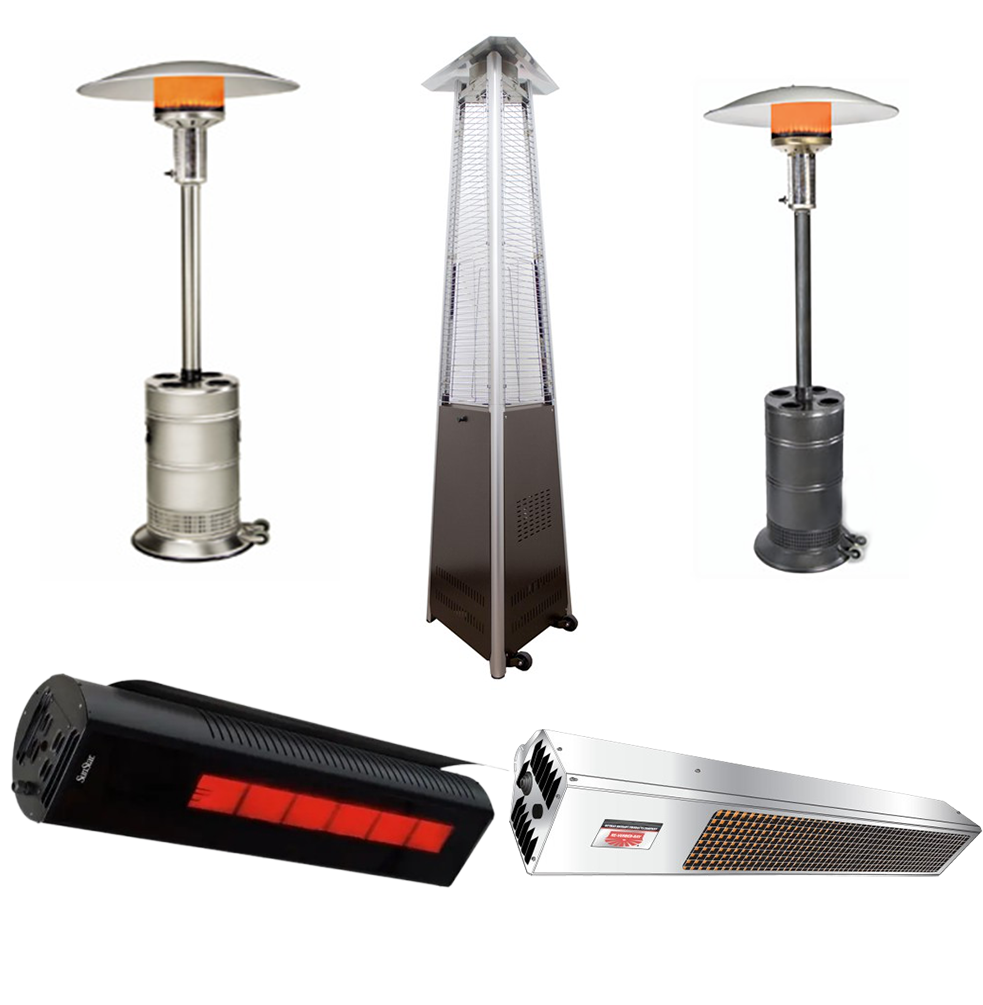
Propane patio heaters burn fuel (usually a 20 lb tank) to create radiant and convective heat. Most are freestanding “mushroom” style, pyramid flame, or tabletop models.
Electric patio heaters convert electricity into heat—typically infrared/radiant heat that warms people and objects more than the air. They’re commonly wall-mounted, ceiling-mounted, or freestanding.
Heat output: which one feels warmer?
Propane usually feels warmer in open-air spaces. Many propane models deliver higher heat output and can warm a wider area—especially when you’re not fully protected from wind.
Electric can feel very warm up close, especially infrared. Infrared electric heaters are excellent for covered patiosbecause the heat is directional (think “warmth you can feel” rather than “warming the whole air”).
Best for winter:
-
Open patio + wind exposure: Propane often wins.
-
Covered patio/pergola + seating zone: Electric infrared is hard to beat.
Operating cost: propane vs electric in winter
Costs depend on local energy prices and how long you run the heater.
-
Propane: You’ll pay for tank refills. It can be cost-effective for occasional use, but frequent winter use can add up.
-
Electric: You’ll pay per kWh. Electric can be cheaper for steady, predictable use—especially if you’re heating a smaller “zone” (like a dining table area).
Tip: If you plan to heat a large open area for hours, propane can feel “worth it” because of the stronger output. If you mostly want to keep a small seating area comfortable, electric zone heating is often more efficient.
Convenience and maintenance
Propane
Pros
-
Portable (move it anywhere)
-
No installation required
-
Works during power outages
Cons
-
You need to refill/replace tanks
-
More parts to maintain (burner, igniter)
-
Heavier and bulkier
Electric

Pros
-
Turn it on and go (no refills)
-
Minimal maintenance
-
Often quieter and cleaner
Cons
-
Needs a nearby outlet or wiring
-
Extension cords can be annoying (and sometimes unsafe)
-
Not as flexible if mounted
Safety considerations (especially in winter)
Both can be safe when used correctly, but the risks are different.
Propane safety
-
Use outdoors only with proper ventilation.
-
Keep the heater stable and away from furniture, curtains, and overhangs.
-
Check hoses and connections for leaks.
Electric safety
-
Choose models rated for outdoor use (look for weather-resistant ratings).
-
Avoid cheap extension cords; use the correct gauge if one is required.
-
Keep cords away from walkways and water.
If your patio is covered, electric is often the easier “set it and forget it” option—while propane requires more clearance and careful placement.
Where you’ll use it: the biggest deciding factor
Ask yourself these quick questions:
-
Is your patio covered? If yes, electric infrared is usually ideal.
-
Do you need to move the heater around? If yes, propane is the clear winner.
-
Do you have strong wind exposure? If yes, propane often performs better.
-
Do you want heat for a dining table or a lounge set? Electric zone heating can be perfect.
Best use cases
Choose propane if you want:
-
A heater for an open backyard patio
-
Heat for larger gatherings
-
A portable solution for different zones
-
A heater that doesn’t rely on electricity
Choose electric if you want:
-
A heater for a covered patio, pergola, or balcony
-
Lower maintenance and no fuel handling
-
Directional heat focused on seating/dining areas
-
A cleaner, more compact setup (especially mounted)
What about outdoor kitchens?
For outdoor kitchens, electric heaters are popular because they can be mounted overhead and keep the cooking + dining zone comfortable without taking up floor space. Propane can still work, but you’ll want to be extra mindful of clearance, traffic flow, and where the tank sits.
Bottom line: which is better for winter?
-
Propane is better for winter if your space is open, you need strong heat, and you want portability.
-
Electric is better for winter if your space is covered, you want easy operation, and you’re heating a specific seating zone.
If you want the best of both worlds, many homeowners use electric infrared for the covered patio and keep a propane heater for the open-air hangout spot.
FAQs
Do electric patio heaters work in freezing temperatures?
Yes. Infrared electric heaters can work very well in freezing temps because they warm people and surfaces directly, especially in covered areas.
Do propane patio heaters work in wind?
They can, but wind reduces comfort and efficiency. If your patio is windy, consider wind screens or placing the heater in a more sheltered corner.
Which is safer: propane or electric?
Both are safe when used correctly. Electric generally has fewer fuel-related risks, while propane requires more attention to ventilation and clearance.
Which heats a larger area?
Propane heaters often heat a larger area in open spaces. Electric heaters excel at targeted, “zone” warmth.